The live entertainment market in Ireland is becoming the type of investment seen in greater urban regeneration schemes. The next generation of sports and music venues in Ireland may be much more than a building for concerts, according to plans for a new 20,000-capacity venue in Dublin’s Docklands.
That broader entertainment economy extends to digital leisure – streaming, mobile gaming and regulated platforms like casino.netbet.ie that offer users the chance for top-tier gameplay and convenience. That said, it’s not just about what goes on in a concert hall, but the way consumers are increasingly connecting between physical and digital experiences during the same evening, weekend, or trip.
Why Is Dublin Investing in Larger Entertainment Venues?
The planned Docklands venue is based on confidence in the demand for live entertainment in Ireland to support larger-scale infrastructure.
Live Nation has now been brought on board by Oak View Group and Gaiety Investments to help with plans for a project estimated to cost €500 million. The consortium has bought the Brick Yards site near Dublin Port for close to €90m, with plans to accommodate around 20,000.
That would be bigger than Dublin’s current 3Arena and would be able to accommodate large music events and sporting occasions. The magnitude of investment is important because the venue is being designed as part of a broader destination, not just a standalone performance venue.
Are Music Venues Becoming Broader Entertainment Hubs?
More and more arenas today create value well before and after the show’s main act.
People can arrive in a city several hours before an event, spend money at the bar on drinks and food, stay for accommodation, use public transport, and continue socializing afterward. Smartphones also add an additional dimension, enabling individuals to stream content, access entertainment apps, and connect along the way.
For instance, this alters the financial profile of a concert. The main attraction can run for an entire day, but the surrounding entertainment can be spread out across the day at a venue.
The live-music economy in Dublin already shows that big venues can generate a broader consumer economy. The impact will be enhanced by a new 20,000-seat development, especially if it is used year-round.
Why Does Location Matter So Much?
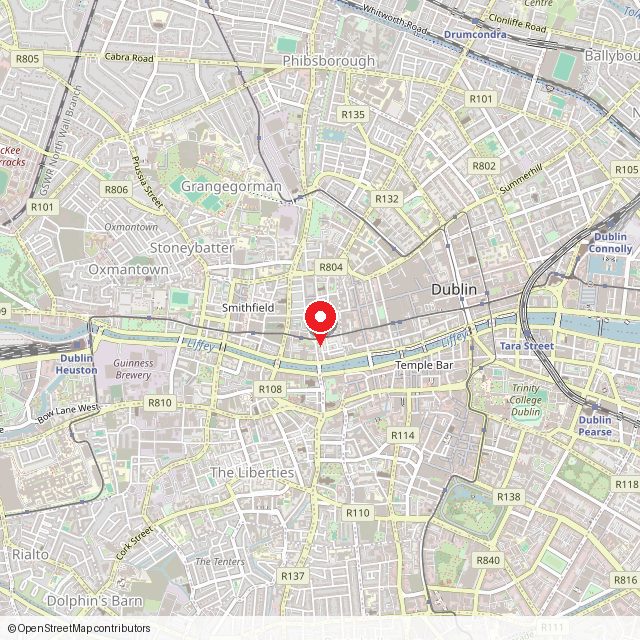
The proposed Brick Yards site is located in Dublin’s Docklands, near the current 3Arena and Dublin Port.
That opens the potential for a larger entertainment district than a stand-alone venue. When tens of thousands of people converge in the same place, it can be advantageous for hotels, restaurants, bars, transport operators and other leisure businesses.
Also, the Docklands has already undergone a vast transformation as a result of office, residential and commercial development. The addition of another major entertainment attraction would enhance the area’s role after normal working hours.
Moreover, that can be especially important for cities, where entertainment facilities can boost spending when an office district might go quiet.
How Does Digital Entertainment Fit Into the Picture?
The entertainment market is no longer a purely physical one. Phones are used by concert-going audiences to book tickets, arrange carpools, share content, and pass the time before and after shows. Gaming, streaming and other digital forms of leisure are also available via the same device.
At the same time, the iGaming industry in Ireland is entering a new phase of regulation. In February 2026, the Gambling Regulatory Authority of Ireland (GRA) opened applications for betting licenses for remote and in-person operators under the Gambling Regulation Act 2024.
That regulatory change means differences between the various entertainment sectors are more significant. Digital gaming is still part of the broader leisure economy, but it has become subject to a more regulated environment for licensing, advertising and consumer protection.
Will Regulation Change Entertainment Partnerships?
The evolving gambling landscape may have implications for the relationship between iGaming and the Irish entertainment sector at large.
GRAI now has the authority to determine where, when, and how gambling ads can be displayed. The gambling industry, however, must be more careful when it comes to entertainment partnerships because of restrictions on television and radio advertising and enhanced safeguards for younger consumers.
That said, the key thing is that Ireland’s entertainment economy is growing as the rules get clearer.
Could New Venues Transform Dublin’s Night-Time Economy?
A 20,000-capacity arena can generate spending far greater than ticket sales. Thousands of visitors visit Dublin for major shows, which can require accommodation, food and transport.
Moreover, the development could also be extended through sporting events, which could add additional dates to the calendar, reducing reliance on touring musicians.
For example, this is why the project could be considered entertainment infrastructure rather than just another concert venue. The most successful new arenas are emerging as focal points for other hospitality, tourism and leisure experiences.
Is the Future of the Music Venue Bigger Than Music?
The proposed Dublin Docklands project proposes it is. A €500 million development designed for music and sport will cater to the needs of audiences who don’t stop their entertainment with the event. Physical venues, mobile platforms, restaurants, hotels, and other leisure services are now integral parts of the same consumer journey.
That could make the next generation of music venues economically significant in Ireland on a much bigger scale.
While the concert itself might continue to be the draw for people, the value added around it is now going beyond the stage.

Comments